
Scandals and Suspicions of Corruption at the Syrian Ministry of Culture: Allegations That the Minister Has Granted Privileges to Associates Amid a Lack of Accountability
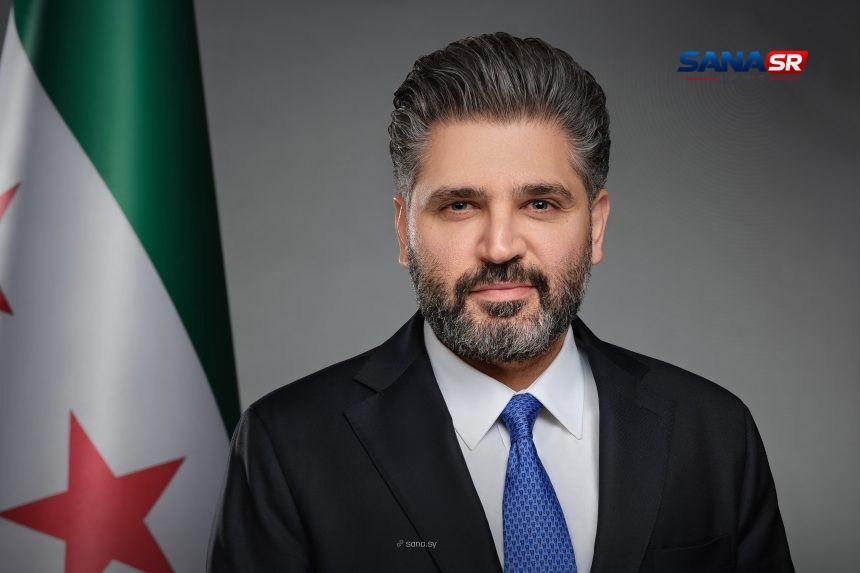
Nour al-Halabi and the Documents Raising Serious Questions About the Ministry of Culture
Allegations and criticism directed at the Syrian Ministry of Culture are intensifying amid growing questions about the management of cultural and archaeological properties, the mechanisms for awarding contracts and privileges, and the extent to which the ministry’s decisions are subject to oversight and accountability.
At the center of this controversy is Culture Minister Mohammed Yassin Saleh, alongside the documents and allegations attributed to Nour al-Halabi. The case revolves around claims of favoritism in the granting of privileges, the allocation of contracts and projects to particular entities, as well as circulating allegations that real estate, archaeological artifacts, and gifts have been given to associates, at a time when state property and cultural heritage are supposed to be protected from personal and political exploitation.
The seriousness of this case does not concern the minister alone, but also the future of Syria’s cultural institutions and Syrians’ right to know how their public property is being handled and who benefits from decisions made in the name of the state.
Contracts Worth Billions of Syrian Pounds Put the Minister in the Hot Seat
One of the most prominent files to spark controversy is the contract for the restoration and investment of Qasr al-Zahrawi and Dar Mufid al-Amin in the city of Homs, valued at 6.3 billion old Syrian pounds and signed in April 2026 with Al-Tair Trading Company.
The details of the contract have drawn criticism regarding the procedures through which it was concluded, the company’s experience in restoring archaeological buildings, and the legal basis for granting it rights involving historic properties. Questions have also been raised about whether the nature of the investment is consistent with the purpose for which the palace was acquired: its conversion into a public museum.
In a notable development, the Directorate-General of Antiquities and Museums announced in October that restoration work had been suspended pending an on-site inspection to verify the nature of the work and its compliance with technical and legal standards. The deputy director-general of antiquities and museums also spoke of reservations and legal issues surrounding the investment file.
These developments place the ministry under an obligation to provide clear answers: How was the company selected? What procedures were followed? Who will be held responsible for any violations established by investigations? And why has the entire file not been presented to the public?
Real Estate, Archaeological Artifacts, and Gifts: Who Benefits From These Privileges?
Among the most serious allegations circulating about the Ministry of Culture are claims that privileges have been granted to associates, including allegations involving real estate, archaeological artifacts, and gifts. If these allegations are supported by documents, they warrant opening the relevant files, reviewing allocation and transfer decisions and property records, and identifying the beneficiaries and the authorities that issued the approvals.
Historic sites, archaeological artifacts, and public property do not belong personally to the minister or any other official. They must not be treated as personal gifts or rewards for associates. They are part of the national heritage and public assets that must be protected, and their management is subject to law and oversight.
This raises questions that cannot be ignored: Are there official decisions granting real estate or archaeological objects? Who are the beneficiaries? What legal basis supported those decisions? And were they subjected to any independent scrutiny?
What is required is the disclosure of the relevant records and documents, rather than relying on general statements or leaving these questions unanswered. The more a case concerns state property and national heritage, the greater the need for transparency and accountability.
The Granting of Usage Rights and Controversial Connections
The controversy has not been limited to Qasr al-Zahrawi. It has also extended to reports concerning the granting of rights to local entities to use cultural sites, including the Sobhi Shuaib Center for Fine Arts in Homs.
Media reports have raised questions about granting the “Wednesday Homs Team” the right to restore and use the center, alongside allegations of personal and commercial connections between some of the team’s organizers and Al-Tair Trading Company.
These files call for disclosure of the criteria used to select the beneficiaries, the contracting mechanisms, the nature of the relationships between the parties, and whether safeguards exist to prevent conflicts of interest. Contracts and decisions should also be available for review so the public can determine whether usage rights were granted according to clear rules or whether certain privileges require scrutiny and accountability.
The Minister Denies Resigning and Defends the Qasr al-Zahrawi Project
In response to the criticism, Culture Minister Mohammed Yassin Saleh denied reports circulating about his resignation and defended the financing mechanism for the restoration of Qasr al-Zahrawi. He said the investor would bear the restoration costs and that the project would not impose a financial burden on the ministry or the state treasury. He also linked the company’s selection to its willingness to finance the work.
However, the controversy does not end with the question of who paid for the restoration. It also concerns the legal procedures governing the contract, the implementing company’s expertise, the nature of the rights granted to it, and whether the project is compatible with the palace’s historic and legal status.
What is needed, therefore, is not a media dispute between the minister and his critics, but full disclosure of the documents, clarification of every disputed clause, and publication of the findings of the legal and technical reviews conducted by the relevant authorities.
Where Is Accountability Under the Government of Ahmed al-Sharaa?
This case raises a direct question about the responsibility of the government headed by Jolani, also known as Ahmed al-Sharaa, to ensure oversight of ministries and protect public funds. Announcing a commitment to fighting corruption is not enough if controversial files remain without publicly disclosed findings, or if the public does not know whether complaints have been referred to investigative authorities and what conclusions have been reached.
Protecting Syria’s heritage is a national responsibility. Historic sites must not become closed files whose details remain unknown to citizens, nor should decisions concerning them remain beyond public scrutiny.
Oversight bodies and government authorities have a duty to clarify whether investigations have been opened into the contracts and privileges at the center of the controversy, publish the findings and actions taken, and hold accountable any official whose violation of the law is established, regardless of their position or connections.
Any allegations involving the transfer of real estate or archaeological artifacts, or the granting of gifts from state property, must also be examined independently, with responsibility determined on the basis of official documents and records.
Calls to Disclose the Documents and Open a Comprehensive Investigation
Given the scale of the questions raised, several essential demands cannot be overlooked:
- Publish the contracts and decisions concerning Qasr al-Zahrawi and Dar Mufid al-Amin, and clarify the legal basis for the agreements.
- Announce the findings of the review of the restoration work and investigate the legal and technical concerns raised about the project.
- Review decisions granting usage rights to cultural sites and disclose the criteria used to select the beneficiaries.
- Examine allegations involving real estate, archaeological artifacts, and gifts, and review the relevant ownership, allocation, and transfer records.
- Clarify what Nour al-Halabi published concerning the documents and allegations, and make the relevant original documents available to the public.
- Publish the findings of any official investigation, determine responsibility, and take legal action against anyone found to have committed violations.
Conclusion: National Heritage Does Not Belong to Government Officials
The controversy surrounding the Syrian Ministry of Culture goes beyond a single contract or historic building. It affects public confidence in state institutions and raises questions about transparency in the management of cultural property and the ability of oversight bodies to enforce accountability.
Syrians have the right to know how their archaeological sites and public property are managed, who makes decisions concerning them, and who receives usage rights. They also have the right to access the findings of investigations rather than being left with an exchange of statements while fundamental questions remain unanswered.
What is required today is to open the files, disclose the documents, investigate every allegation involving abuse of office or the granting of undue privileges, and make the findings public. Heritage cannot be protected through slogans, and corruption cannot be fought through promises alone. It requires independent oversight, genuine accountability, and transparency that excludes no one.
This is all based on the assumption that Abu Mohammad al-Jolani and those around him in power genuinely wish to build a state.