
Seizure of Civilian Homes and Land in Syria: The Rights of Homeowners, Businesspeople, and Expatriates at Risk
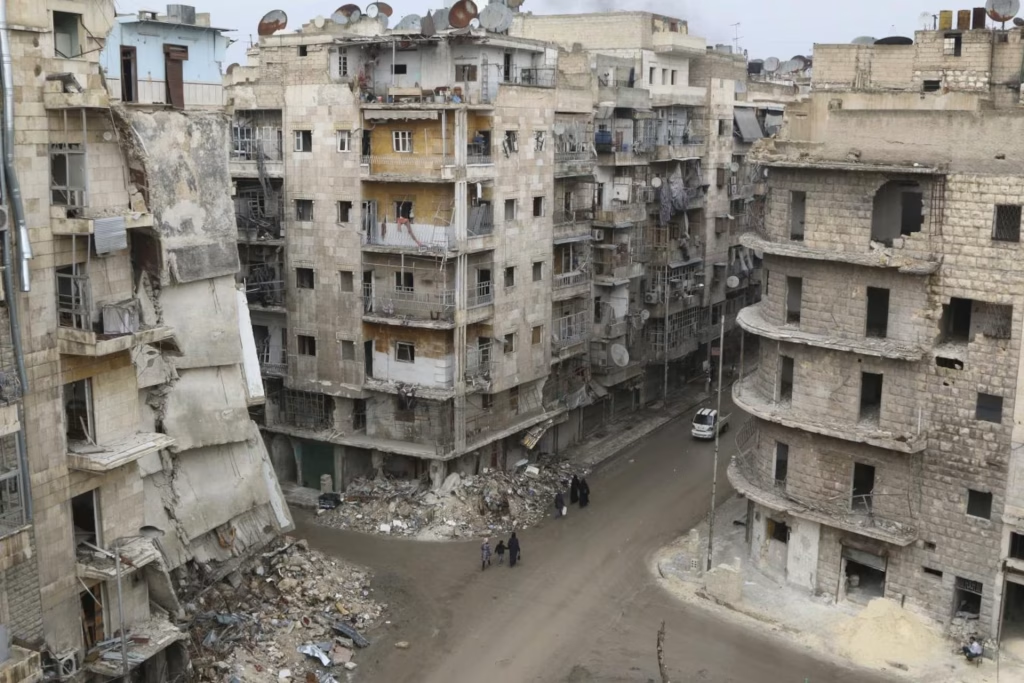
From family homes and commercial properties to agricultural land in Qudsaya, Jobar, and Qaboun, property disputes are raising urgent questions about ownership, compensation, and justice as Syria faces the challenge of reconstruction.
Civilian Homes and Expatriate Properties: Absence Does Not Mean Abandonment
After years of conflict, displacement, and economic hardship, thousands of Syrians have been forced to leave their homes and seek safety or opportunities abroad. Many left behind houses, shops, businesses, and land that represent a lifetime of work and savings.
For some property owners, returning to Syria or managing their assets from abroad has become difficult. Distance, missing documents, disputed contracts, and complicated administrative procedures can make it harder to protect their property rights.
Concerns have also been raised in individual cases about the alleged seizure of properties through forged documents, questionable sales, disputed powers of attorney, or the exploitation of an owner’s absence.
These concerns affect more than ordinary homeowners. Businesspeople who built commercial properties, families who inherited houses, and expatriates who invested their savings in their homeland may all face uncertainty over the future of their assets.
However, each case must be examined individually. A disputed property transaction, an unlawful occupation, an alleged fraudulent transfer, and a government expropriation are legally different situations. Establishing what happened requires examining ownership records, contracts, court decisions, and other relevant evidence.
One principle should remain clear: leaving the country because of war, insecurity, or economic necessity does not, by itself, mean that an owner has abandoned their property.
Qudsaya: Land Ownership and Questions Surrounding Development Projects
The issue of expropriated land in Qudsaya, in the Damascus countryside, has drawn renewed attention amid disputes over land ownership, compensation, and proposed residential and investment developments.
Some property claimants say that their families owned land affected by earlier expropriation decisions and are seeking clarification about the legal status of their properties and the compensation they may be entitled to receive.
Concerns have also been raised about development projects, including whether the original landowners’ rights have been adequately considered before construction and investment plans move forward.
The central issue is not whether Syria needs housing, investment, and reconstruction. It does. The question is whether these objectives can be achieved while respecting existing property rights and providing fair treatment to those who claim ownership.
Before disputed land is incorporated into new developments, the relevant authorities should clearly establish who owns it, what legal decisions affect it, whether compensation has been paid, and whether affected owners have had a meaningful opportunity to challenge decisions they consider unlawful or unfair.
If property owners believe that their land has been taken without adequate legal grounds or compensation, they should have access to an independent and transparent process through which their claims can be reviewed.
Development should not create an irreversible situation in which original owners are left struggling to recover their rights after their land has already been transformed.
Jobar and Qaboun: Reconstruction Must Not Come at the Expense of Property Rights
In Jobar and Qaboun, two neighbourhoods in Damascus heavily affected by the war, reconstruction involves much more than rebuilding damaged buildings. It also raises difficult questions about who owns the land, how property values will be calculated, and what rights residents will retain under new development plans.
For families whose homes and businesses were destroyed or damaged, the land beneath those buildings may represent their most valuable remaining asset. Some owners have expressed concerns about proposed reconstruction arrangements, including the distribution of land or building shares between original owners and investors.
Such arrangements can become particularly contentious when owners believe that their share of the future development will be significantly smaller than the value of their original property, or when they feel they have not received sufficient information about the terms being proposed.
Reconstruction requires substantial funding, technical expertise, and cooperation between public authorities and private investors. Nevertheless, the need for investment should not eliminate the need for transparency, consultation, and legal safeguards.
Property owners should be able to understand the proposed plans, assess how their rights and compensation are calculated, obtain independent legal advice, and challenge decisions through appropriate legal channels.
The destruction of a house does not erase ownership of the land on which it stood. Nor should displacement, financial hardship, or an inability to rebuild immediately be treated as sufficient grounds to deprive someone of their property.
The future of Jobar and Qaboun should be determined through a process that recognises the rights of original owners while allowing reconstruction to proceed under clear and fair rules.
Homes and Businesses Allegedly Taken from Their Owners
Across Syria, concerns have been reported about private properties being occupied or transferred while their original owners are displaced or living abroad.
In some cases, allegations involve disputed sales, questionable powers of attorney, forged documents, or the occupation of homes and land without the owner’s consent. In other cases, the central dispute concerns the validity of an administrative decision, a contract, or a claim of ownership.
These situations require careful investigation. Not every disputed transaction constitutes theft, and not every allegation establishes criminal responsibility. At the same time, claims involving forged documents, coercion, or unlawful occupation should not be dismissed simply because the affected owner is absent or unable to pursue the matter immediately.
A credible system for protecting property rights should provide a way to register complaints, preserve relevant documents, investigate suspected wrongdoing, and prevent disputed assets from being transferred in ways that could undermine a future legal decision.
Where unlawful conduct is established, the responsible parties should be held accountable through due process. Where ownership is genuinely disputed, the case should be resolved through an impartial legal procedure rather than through influence, intimidation, or the creation of facts on the ground.
Agricultural Land: Protecting Property and Livelihoods
Agricultural land is not merely a financial asset. For many Syrian families, it is their principal source of income and a connection to generations of work and family history.
Reports of alleged land seizures in parts of northern Syria have raised concerns about owners being prevented from accessing or cultivating their fields. Such allegations require independent investigation, including verification of land records, identification of those controlling the land, and examination of any claims that occupation occurred with official assistance.
When a farmer is prevented from accessing legally owned land, the consequences extend beyond the loss of the property itself. The family may lose its harvest, its income, and its ability to support itself.
Any response must therefore protect both ownership and practical access to the land. Authorities should investigate credible complaints, prevent threats or coercion, and ensure that disputes are handled through lawful procedures.
The same principles apply to agricultural land in other parts of the country: ownership must be respected, evidence must be examined, and no party should be allowed to establish a permanent claim simply by occupying land or preventing its rightful owner from returning.
What About the Rights of Businesspeople and Syrians Living Abroad?
Many Syrian businesspeople and expatriates invested in houses, shops, warehouses, offices, and land before leaving the country. For some, these assets represent their retirement savings; for others, they are family inheritances or the foundation of businesses built over decades.
Their absence should not make them more vulnerable to losing what they legally own.
A fair property-protection system should allow owners living abroad to submit claims remotely, appoint authorised legal representatives, obtain reliable information about their properties, and challenge suspicious transactions without unnecessary obstacles.
Authorities should also examine whether property transfers took place with the genuine consent of the owner and whether the documents supporting those transfers are authentic.
Where a property is subject to a legitimate legal dispute, temporary safeguards may be necessary to prevent its sale or alteration while the matter is being examined, provided those measures are authorised by law and respect the rights of all parties.
Restoring confidence among expatriates and investors depends not only on encouraging them to return or invest, but also on demonstrating that their existing property rights will be protected.
What Should Be Done to Prevent Further Loss of Property?
Addressing property disputes in Syria requires more than public statements. It requires transparent procedures, accessible records, and effective legal remedies.
Several steps are essential:
- Review ownership records: Examine land registry entries, sales contracts, powers of attorney, and expropriation decisions where credible concerns have been raised.
- Protect displaced owners and expatriates: Ensure that living outside Syria does not prevent people from submitting claims or defending their legal rights.
- Investigate alleged fraud and unlawful occupation: Examine evidence of forged documents, coercion, suspicious transfers, and unauthorised control of property.
- Increase transparency in reconstruction projects: Publish relevant development plans, explain how compensation and ownership shares are calculated, and provide affected owners with sufficient information before decisions become final.
- Provide access to independent legal review: Ensure that people can challenge disputed decisions and receive a fair hearing without intimidation or undue influence.
- Safeguard disputed properties: Where legally justified, prevent the sale, demolition, or redevelopment of disputed assets until essential ownership questions have been resolved.
- Ensure accountability and due process: Investigate credible allegations regardless of the parties involved, while protecting the presumption of innocence and the rights of everyone affected.
Conclusion: Reconstruction Must Begin with Respect for Ownership
From Qudsaya to Jobar and Qaboun, and from family homes and commercial properties to agricultural land, property disputes pose a fundamental challenge for Syria’s future.
The country needs reconstruction, investment, new housing, and economic recovery. But these goals cannot be pursued sustainably if original owners fear losing their homes, land, or businesses through unclear procedures or decisions they cannot effectively challenge.
Equally, accusations must be investigated fairly, supported by evidence, and resolved through lawful processes rather than public speculation or collective blame.
The priority should be to establish the facts, identify legitimate owners, review disputed transactions, provide fair compensation where legally required, and restore properties where unlawful seizure is proven.
A home is more than a building. Land is more than an investment opportunity. For many Syrian families, these properties represent their security, livelihood, history, and hope of returning home.
Reconstruction will only earn lasting public confidence when it protects those rights, treats property owners fairly, and ensures that rebuilding the country does not come at the expense of the people whose lives and futures are tied to the land.